EU Entry Exit Scheme 2026: Key Changes Every Traveller Should Know
 John Doe |
04/14/2026
John Doe |
04/14/2026
EU Entry Exit Scheme 2026: Key Changes Every Traveller Should Know
If you’re planning a European trip this year, one question matters more than ever: What’s happening with the EU’s Entry Exit Scheme?
The short answer—big changes are already in effect. The EU Entry Exit System (EES) is now fully rolled out across the Schengen Area, and it’s transforming how non-EU travellers cross borders. From biometric checks to longer queues, here’s everything you need to know before you travel.
What’s happening with the EU’s Entry Exit Scheme? A quick overview
The EU Entry Exit System (EES) is a digital border system introduced by the European Union. It replaces traditional passport stamping with biometric registration.
When you enter a Schengen country for the first time under EES, you’ll be required to:
-
Scan your passport
-
Provide fingerprints
-
Take a facial image
This data is stored securely and linked to your passport. On future trips, the system will recognise you automatically, speeding up the process—at least once the system stabilises.
Which countries are affected by EES?
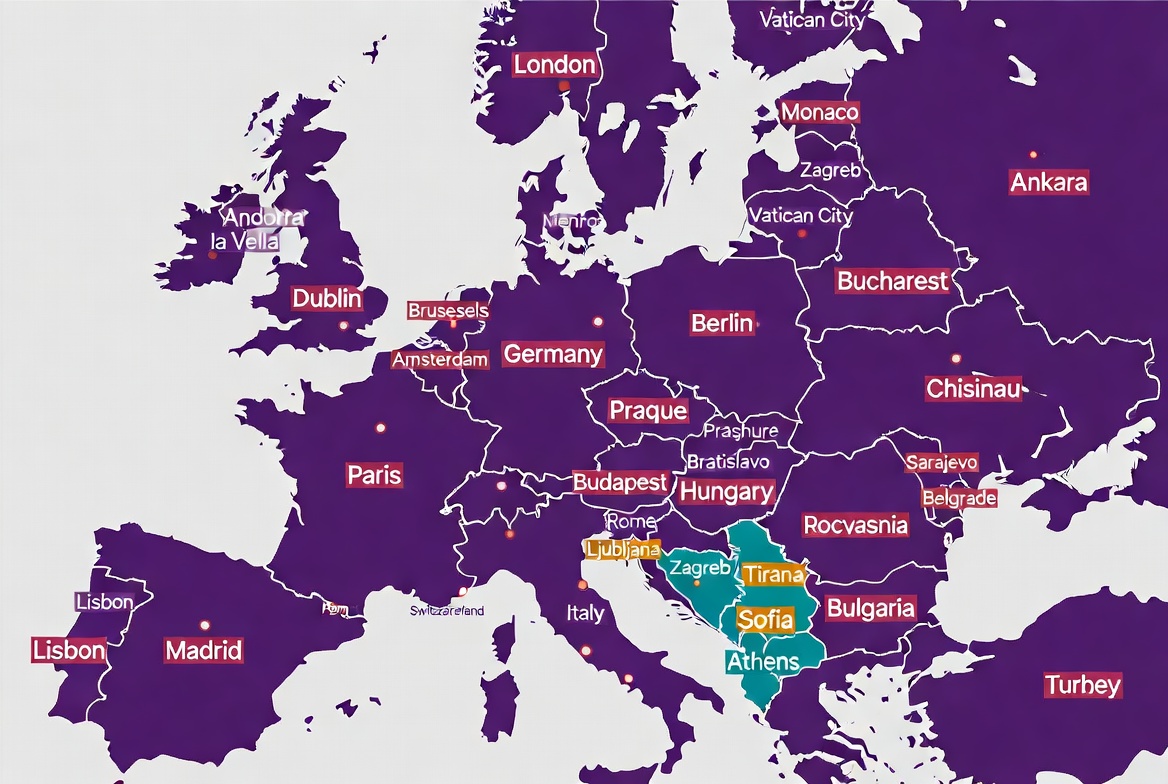
EES is now active across all Schengen countries, including popular destinations such as:
-
France
-
Spain
-
Italy
-
Germany
-
Greece
It also applies to non-EU Schengen members like Norway and Switzerland.
However, some nearby travel destinations are not part of the system, including:
-
Ireland
-
Cyprus
-
Turkey
Travelling to these countries means you won’t go through EES checks.
Airport experience: what travellers are seeing
So, what’s happening with the EU’s Entry Exit Scheme in real-world travel? The biggest impact is being felt at airports.
Major hubs like Paris Charles de Gaulle Airport, Barcelona El Prat Airport, and Frankfurt Airport have already experienced:
-
Long queues at passport control
-
Slower processing times
-
Occasional system glitches
Some airports handled the rollout better than others, but overall, delays have been a consistent theme.
Summer 2026: will travel be disrupted?
This is where things get critical.
During the rollout phase:
-
Processing times increased by up to 70%
-
Wait times reached 3 hours or more at peak times
-
In extreme cases, delays stretched even longer
Now that EES is fully mandatory, summer 2026 could see:
-
Heavy congestion at major airports
-
Increased waiting times for first-time travellers
-
Inconsistent experiences depending on location
Authorities can temporarily ease enforcement during peak periods, so travellers may see a mix of strict and relaxed procedures across different airports.
Why has the EU introduced EES?
Understanding what’s happening with the EU’s Entry Exit Scheme also means understanding its purpose.
The system is designed to:
-
Track how long visitors stay in the Schengen Area
-
Enforce the 90-day rule within 180 days
-
Improve border security
-
Reduce identity fraud
In the long run, EES is expected to make travel more efficient—but the transition period is still ongoing.
What about ETIAS? The next change coming soon
Following EES, the EU plans to introduce ETIAS, a travel authorisation system expected later in 2026.
Here’s how it works:
-
You’ll apply online before travelling
-
A small fee will be required
-
Approval will be valid for multiple trips
EES happens at the border, while ETIAS happens before you travel—together, they will define the future of EU travel.
Can you avoid the EU Entry Exit Scheme?
If you’d rather skip EES entirely, you still have options.
You can travel to destinations outside the Schengen Area, such as:
-
Turkey
-
Morocco
-
Egypt
-
Albania
These locations offer great alternatives without the added border procedures.
Top tips to deal with EES in 2026
If you’re heading to Europe, preparation is essential. Here’s how to manage the changes:
Allow extra time
Arrive at least 60–90 minutes earlier than usual, especially during peak travel.
Head to passport control early
Don’t wait until boarding is announced—queues can build quickly.
Use available apps
Some airports allow pre-submission of passport details through official apps.
Keep documents ready
Be prepared to show:
-
Accommodation details
-
Return tickets
-
Travel plans
Check your passport status
If you’ve renewed your passport, you’ll need to register again.
Expect delays on departure too
EES checks apply when leaving Europe, not just entering.
Final thoughts: what’s happening with the EU’s Entry Exit Scheme?
So, what’s happening with the EU’s Entry Exit Scheme? It’s fully live, evolving, and already impacting millions of travellers.
While the system promises smoother journeys in the future, right now it means:
-
Longer queues
-
More checks
-
Extra planning
The best strategy is simple—stay informed, allow more time, and travel prepared. That way, you can focus less on queues and more on enjoying your European adventure.
You May Also Like

Where to Go in September 2026
John Doe | 09/02/2026

The best destinations for a kid-free holiday
John Doe | 09/02/2026

Why September 5 Is the Best Time to Fly
John Doe | 09/02/2026